
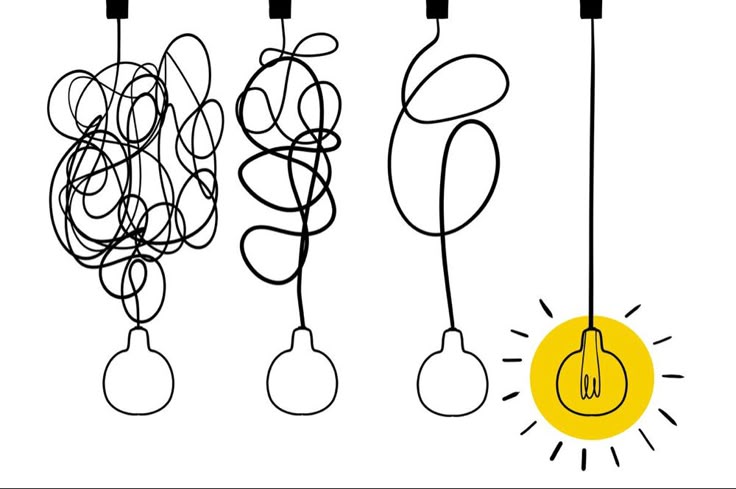
It was late. Our team wrestled with a design challenge: we needed a vibration sensor, but every option meant extra cost, more I/O pins, and a PCB redesign. It felt like piling bricks on a bridge we were still trying to build.
Enter Fenil Ladani, our quietly brilliant engineer. He didn’t reach for datasheets or expansion boards. Instead, he stared at the little buzzer already on the board.
He paused, tapped it gently, held it thoughtfully, and then casually said:
“What if the buzzer worked in reverse?”
His words hung in the air.
He was thinking: a buzzer vibrates with current to make sound. What if, reversed, external vibration could generate a signal? That single thought flipped our problem upside-down.
We dove into the lab. Blink of an eye—or more precisely, an all-nighter later—we had our answer. The buzzer, wired differently, acted like a vibration sensor. No added components. No extra cost. No redesign. Just pure, elegant repurpose.
The moment it worked was electric. Not just the hardware lighting up, but the realization: we’d turned one simple part into a two-way marvel.
Our buzzer became both voice and sense.