
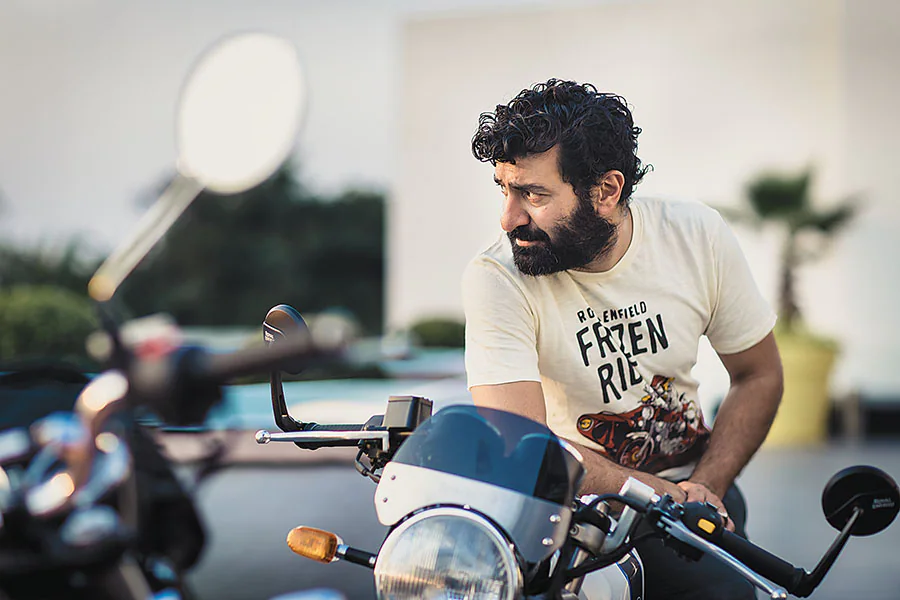
Siddhartha Lal’s leadership at Royal Enfield transformed the brand from a struggling relic into a global cult icon. By focusing on marketing strategy—brand positioning, targeting youth, building a passionate community, and expanding globally—Lal turned Royal Enfield into the dominant player in India’s mid-size motorcycle segment and a growing international force.
Key Marketing Challenges
- Aging Brand Image: Seen as outdated and only for older riders, Royal Enfield needed to appeal to younger consumers without alienating its loyal base.
- Product Issues: Poor quality and reliability hurt the brand’s reputation, requiring product improvements before any marketing could succeed.
- Tiny Niche Market: The brand operated in a small leisure motorcycle segment, with low sales and little growth, while the broader market favored commuter bikes.
- Competition: Royal Enfield needed to build a strong brand before rivals entered the mid-size segment, both in India and globally.
- Global Recognition: Outside India, the brand was virtually unknown and faced skepticism about Indian-made motorcycles.
- Balancing Tradition and Modernity: The challenge was to modernize without losing Royal Enfield’s classic appeal.
Strategic Marketing Shifts
- Focused Portfolio: Lal sold off most of Eicher Motors’ other businesses to concentrate resources on Royal Enfield, enabling deeper investment in product and marketing.
- Owning the Mid-Size Segment: Instead of competing with cheap commuter bikes or expensive superbikes, Royal Enfield positioned itself as the leader in mid-size (250–750cc) leisure motorcycles, emphasizing the joy of riding over specs or price.
- Rebranding for Youth & Lifestyle: Marketing shifted from macho, authority-focused ads to campaigns celebrating freedom, adventure, and individuality—targeting younger, urban riders.
- Example: The 2008 “Leave Home” campaign depicted breaking free and embracing the journey, not just the machine.
- Community Building: Experiential marketing—rides, clubs, and storytelling—created a loyal, engaged community, turning Royal Enfield into a lifestyle brand.
- Global Expansion: The brand leveraged its unique Anglo-Indian heritage to appeal to international markets, focusing on niches that valued classic design and accessible adventure.
- Product Modernization: Design and quality improvements (e.g., the Classic 350/500) supported the new brand promise and attracted new buyers.
Results
- Royal Enfield now dominates the mid-size segment in India and has expanded to over 60 countries, with international sales growing more than fivefold in a decade.
- The brand is seen as a premium, aspirational choice for young and adventurous riders, both in India and abroad.
Lessons
- Focused brand strategy, authentic storytelling, and community engagement can revive even the oldest brands—if paired with real product improvements and a clear market position